



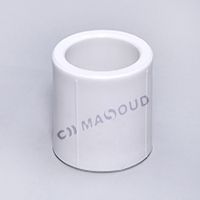

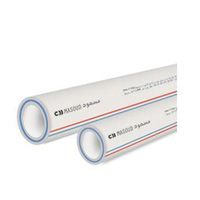
code | size | NO IN BOX |
|---|---|---|
002001 | 20 | 350 |
002002 | 25 | 250 |
002003 | 32 | 130 |
002004 | 40 | 75 |
002005 | 50 | 35 |
002006 | 63 | 24 |
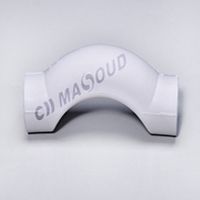
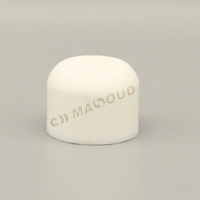
Bushing, as one of the key components in piping systems, plays a very important role in the transmission of fluids. This piece allows for the easy connection of pipes and is used in a variety of applications, from domestic systems to large industrial projects.
Bushing Technical Specifications
Material: Made of high-quality materials such as stainless steel, brass, PVC or polyethylene, which contributes to durability and corrosion resistance.
Inner diameter: Available in various sizes (such as ½ inch, ¾ inch, 1 inch, etc.), suitable for all needs of piping systems.
Working pressure: Withstands high pressures up to 16 bar and more depending on the type of product, which is ideal for use in various industrial and domestic systems.
Working temperature: Suitable for various temperatures and can be used in hot and cold environments.
Connection type: Capable of supporting screw, weld and compression connections, for ease of installation and increased work speed.
Standards: In accordance with international ISO and ANSI standards, ensuring quality and safety.
Types of Bushings
Bushings are a key component of piping systems that help connect pipes and change their direction or diameter. Here, we will examine the types of bushings, including conversion bushings and metal straight bushings.
Simple bushing
A simple bushing is used to connect two pipes with the same diameter. This type of bushing is usually used in water and gas supply systems and helps transfer fluid flow from one pipe to another without any pressure drop.
Conversion bushing
A conversion bushing, as its name suggests, is designed to connect pipes with different diameters.
Metal straight bushing
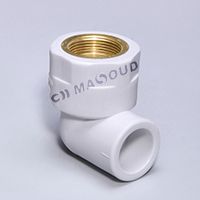
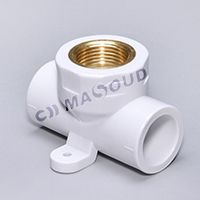
A metal straight bushing is a type of bushing that can only be connected at one end. This type of bushing is usually used to connect one end of a pipe to valves or other equipment. The following are some of the features and applications of this type of bushing:
Material and type: A solid metal bushing is generally made of stainless steel, brass, or other metal alloys that have good resistance to pressure and temperature.
Application: This type of bushing is mostly used in high-pressure systems, such as industrial facilities and factories.
Material and materials
Bushings are made of different materials, each with its own characteristics:
Stainless steel: For environments exposed to moisture or corrosion, such as water supply systems.
Brass: With anti-rust and flexible properties, suitable for gas and hot water systems.
PVC and polyethylene: Light weight and good resistance to chemicals, ideal for low-pressure projects and water supply in agriculture.
Installation and maintenance process
Installation of the bushing is very simple, and this feature helps reduce installation time and cost. Bushings are usually connected in two ways:
Screwed connections: In this method, the bushing is connected by thin strips of pipe material and organic or rubber gaskets in different places.
Welded connections: Suitable for projects that require permanent and durable connections.
Advantages of using bushings
Flexibility: Possibility of connecting pipes of different sizes and types.
Easy installation: Simple and user-friendly design for quick installation without the need for special tools.
Reduced leakage: The use of quality materials and advanced technologies reduces the risk of leakage in connections.
Cost savings: Compared to other connections, bushings are usually less expensive and at the same time offer high efficiency.
Suitable for different environments: Due to the variety in material and design, they can be used in domestic, industrial and agricultural applications.
Important points in choosing and purchasing bushings
Type of fluid: The type of bushing should be carefully selected depending on the type of fluid that is to pass through it.
Pressure and Temperature: Bushings must be able to withstand the pressure and temperature appropriate for their application.
Required Standards: Make sure that the bushing you choose complies with local and international standards.
Conclusion
The use of bushings in piping systems is known as a reliable and economical solution. The correct selection and use of this component can have a significant impact on the efficiency and durability of the entire piping system.
For more information and advice on choosing the best bushing for your needs, contact the Masoud Pipe and Fittings sales team.
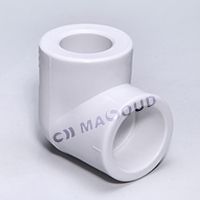

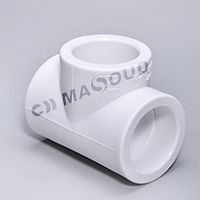
Reviews
There are no reviews yet.