



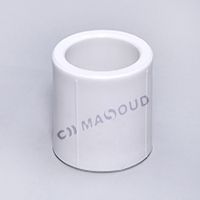
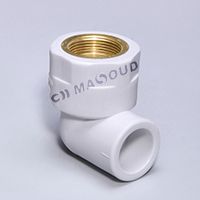
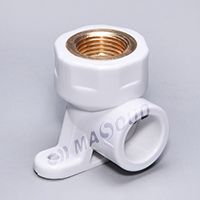
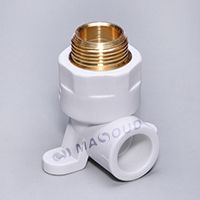
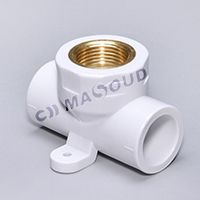
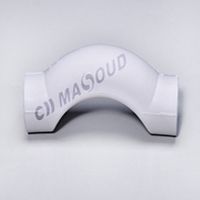
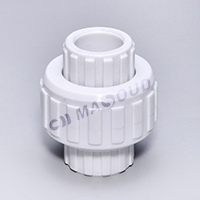
code | size | NO IN BOX |
|---|---|---|
001011 | 20 | 140 |
001012 | 25 | 100 |
001013 | 32 | 80 |
001014 | 40 | 52 |
001015 | 50 | 32 |
001016 | 63 | 24 |
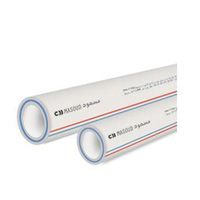
Three-layer glass fiber pipe: Unparalleled strength, durability and performance
Three-layer glass fiber pipe is one of the most advanced and durable types of pipes in the industry, which is used for various uses in fluid transfer systems, industrial structure construction and even in civil engineering projects. These pipes can be used in harsh conditions due to the unique combination of glass fibers with resistant inner and outer layers.
Technical specifications of three-layer glass fiber pipe
Below we will review the main technical specifications of these pipes:
Multi-layer structure
Inner layer (Resin/Polymer Inner Layer): The inner layer of the pipe is made of corrosion and abrasion resistant materials. This layer is designed for direct contact with fluids and prevents chemicals from coming into contact with other layers.
Middle layer (Glass Fiber Reinforced Layer): The middle layer is made of reinforced glass fibers, which increases the strength and resistance of the pipe against internal and external pressures. This layer withstands the applied pressures well by distributing the load evenly.
Protective Outer Layer: The outer layer of the pipe is usually made of materials resistant to UV rays, abrasion, and temperature changes. This layer increases the life of the pipes in outdoor environments and exposed to the sun and harsh weather conditions.
Pipe diameter and thickness
Diameter: Three-layer fiberglass pipes are produced in a variety of diameters and are suitable for transporting various fluids in industries.
Thickness: The thickness of the different layers varies depending on the type of application and pressure required. The inner and outer layers usually have different thicknesses to meet the different needs of customers.
Pressure and temperature resistance
Pressure resistance: Three-layer fiberglass pipes have the ability to withstand high internal pressures. Their pressure resistance usually varies from 10 bar to 40 bar depending on the type and size of the pipe. These pipes are especially suitable for transporting high-pressure fluids.
Temperature resistance: These pipes can withstand high temperatures without deforming or damaging.
Resistance to chemicals and corrosion
Three-layer fiberglass pipes have very high resistance to various chemicals, including acids, bases, salts and corrosive substances. This feature makes these pipes widely used in the chemical, oil and gas industries, and even in water and wastewater treatment systems.
Three-layer fiberglass pipes are usually manufactured in accordance with international standards. Some of these standards include:
ISO 9001: (Quality Management)
ISO 14001: (Environmental Management)
ASTM: (Material Testing Standards)
API: (Oil and Gas Standards)
These pipes usually pass tests such as pressure tests, chemical tests and temperature resistance tests to ensure quality and performance.
Customization
Three-layer fiberglass pipes can be customized to meet specific customer needs. You can choose features such as pipe length, diameter, layer thickness, and even their color depending on the specific conditions of your project.
Outstanding Features of Three-layer Fiberglass Pipe
High Pressure and Temperature Resistance: Three-layer fiberglass pipes are specifically designed to withstand high temperatures and pressures. These pipes have greater strength with their multi-layer structure and prevent cracking and damage in difficult conditions.
Resistance to Corrosion and Chemicals: These pipes are well resistant to corrosion, deposits, and chemicals, and perform exceptionally well in humid, oily, and even chemically contaminated environments.
Light Weight and Easy Installation: Due to the special structure of three-layer fiberglass pipes, their weight is much lighter than similar metal pipes, which makes them much easier to install and transport.
Long life and low maintenance: One of the outstanding advantages of three-layer fiberglass pipes is their long life and low maintenance requirements. These pipes have high resistance to abrasion and environmental damage, so they require less replacement over time.
Stability against UV and sunlight: The outer layers of the three-layer fiberglass pipe are designed to be resistant to direct sunlight and UV rays, so they will also perform well in outdoor environments and exposed to sunlight.
Applications of three-layer fiberglass pipes
Transfer of fluids in the chemical and oil and gas industries
Irrigation systems in agriculture
Transfer of water and wastewater in construction projects
Industrial refrigeration and heating systems
Construction of structures resistant to earthquakes and high pressures
Why choose three-layer fiberglass pipes?
Due to the combination of glass fibers with plastic materials, these pipes are not only very mechanically resistant, but also an economically viable option. They can be considered as a cost-effective choice in various projects due to their low maintenance cost, long life and stable performance against environmental changes.
Conclusion
Three-layer glass fiber pipe is an excellent option for industrial, agricultural and civil projects that are looking for a durable, economical and long-lasting solution. By using these pipes, you can benefit from the optimal and problem-free performance of your fluid transmission systems. For advice and more information about three-layer glass fiber pipes, contact the Masoud Pipe and Fittings sales team and place your order.
Reviews
There are no reviews yet.